2026-11-06
How to Choose Pu-erh Tea: Six Keys from Raw vs. Ripe to Storage
1. Know Raw (Sheng) from Ripe (Shou)
Pu-erh is divided by processing into raw (sheng) and ripe (shou). Raw Pu-erh is pressed from sun-dried Yunnan large-leaf maocha and ages naturally over time. Ripe Pu-erh undergoes an accelerated post-fermentation called wodui (wet piling), giving a mellow, gentle cup.
- For collecting, or if you enjoy the smooth complexity of age → choose aged raw Pu-erh.
- For everyday drinking, or if you have a sensitive stomach → choose ripe Pu-erh.
- Young raw Pu-erh is bold and noticeably bitter, best for those with the patience to store it themselves.
2. Check the Factory and Recipe
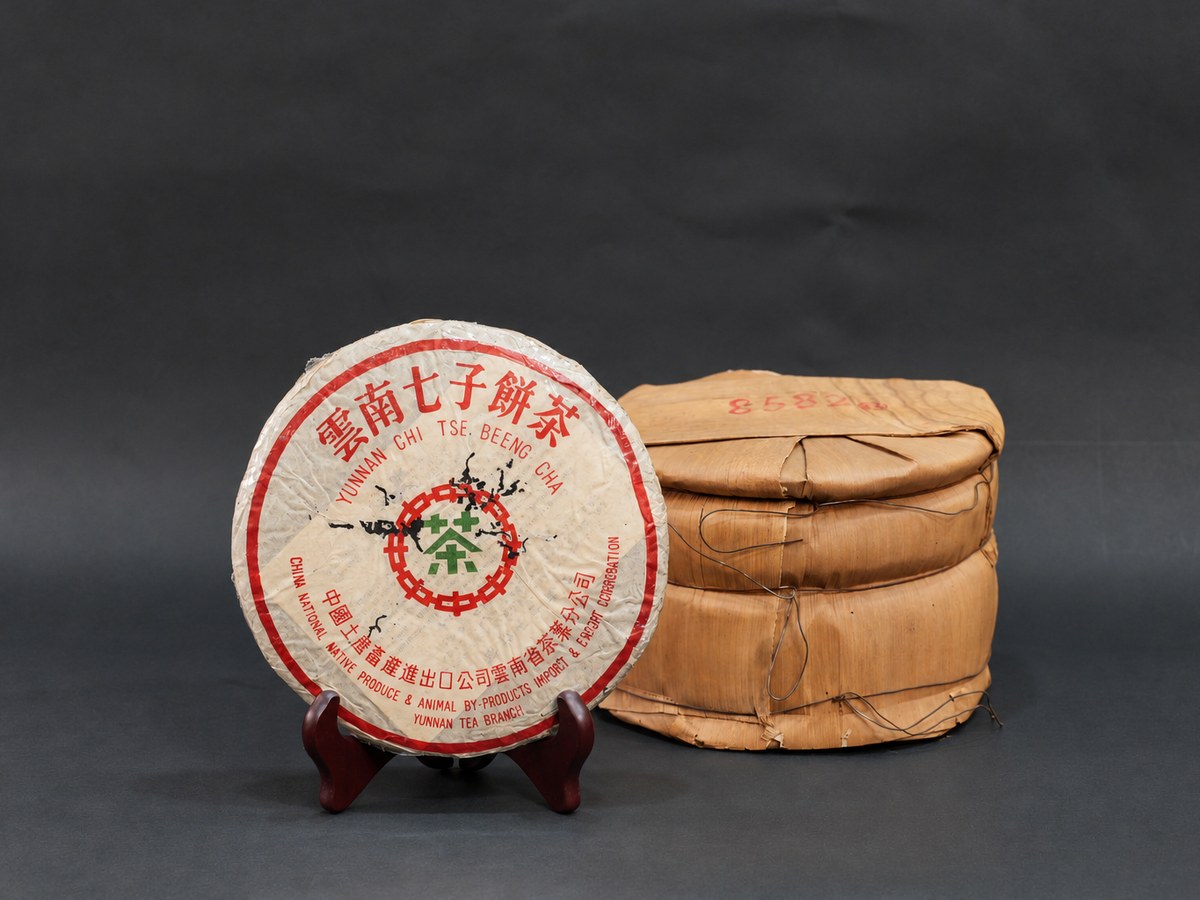
Classic factories well known in the Taiwan market include Menghai Tea Factory (Dayi), Xiaguan Tea Factory and Kunming Tea Factory (Zhongcha/CNNP). In the Qizi Bing Cha era, four-digit recipe codes such as 7542, 8582 and 7572 tell you a lot: the first two digits are the year the recipe began, the third is the leaf grade, and the last identifies the factory (1 Kunming, 2 Menghai, 3 Xiaguan).
Earlier Hao-grade teas (such as Song Pin Hao, Fu Yuan Chang and Tong Qing Hao) and Mark-grade teas (Red, Blue and Green Mark) survive in very small numbers and are the most frequently imitated, so take extra care.
3. Examine the Cake
- Leaf: Whole leaves with an even mix of grades and no foreign matter.
- Color: Aged raw Pu-erh is reddish-brown with a natural sheen; ripe Pu-erh is darker and duller.
- Wrapper and neifei: The paper, printing and wear of the wrapper, inner ticket and bamboo husk should match the claimed era; they are key clues for authenticating aged tea.
- Condition: Firm pressing and intact edges, with no mold, white spots or crumbling.
4. Ask About Storage
Half of a Pu-erh's flavor comes from its leaf and half from its storage. Dry storage means good ventilation and stable temperature and humidity, giving a clean character; wet storage speeds up aging in heat and humidity and often leaves a musty note. Ask where and for how long a tea was stored, and smell the dry leaf: clean aged, camphor or date notes are good signs, while a sharp musty smell is a warning.
5. Confirm by Brewing
Tasting is the most reliable test:
- Liquor: Aged raw Pu-erh brews amber to reddish-brown and clear; be wary of cloudy or overly dark liquor.
- Mouthfeel: A fine aged tea is thick and smooth, with a lingering sweetness and salivation in the throat.
- Endurance: Quality Pu-erh lasts more than ten infusions, changing with each one.
- Spent leaves: Soft and supple, not hard or charred.
6. The Right Source Matters Most
Aged Pu-erh can cost tens of thousands of NT dollars and is hard to authenticate. Buy from sellers who openly state the factory, year, provenance and storage, and keep photos and records of each purchase. Beginners can start with classic recipes from the major factories to build a taste reference before moving on to older teas.
Every tea on the Xizhen Pu-erh website lists its factory and year with multi-angle photos. Feel free to browse and compare, and contact us through the Inquiry Cart with any questions.