2026-11-06
Pu-erh in Taiwan and China: From
Yunnan's Tea, Hong Kong's Storerooms
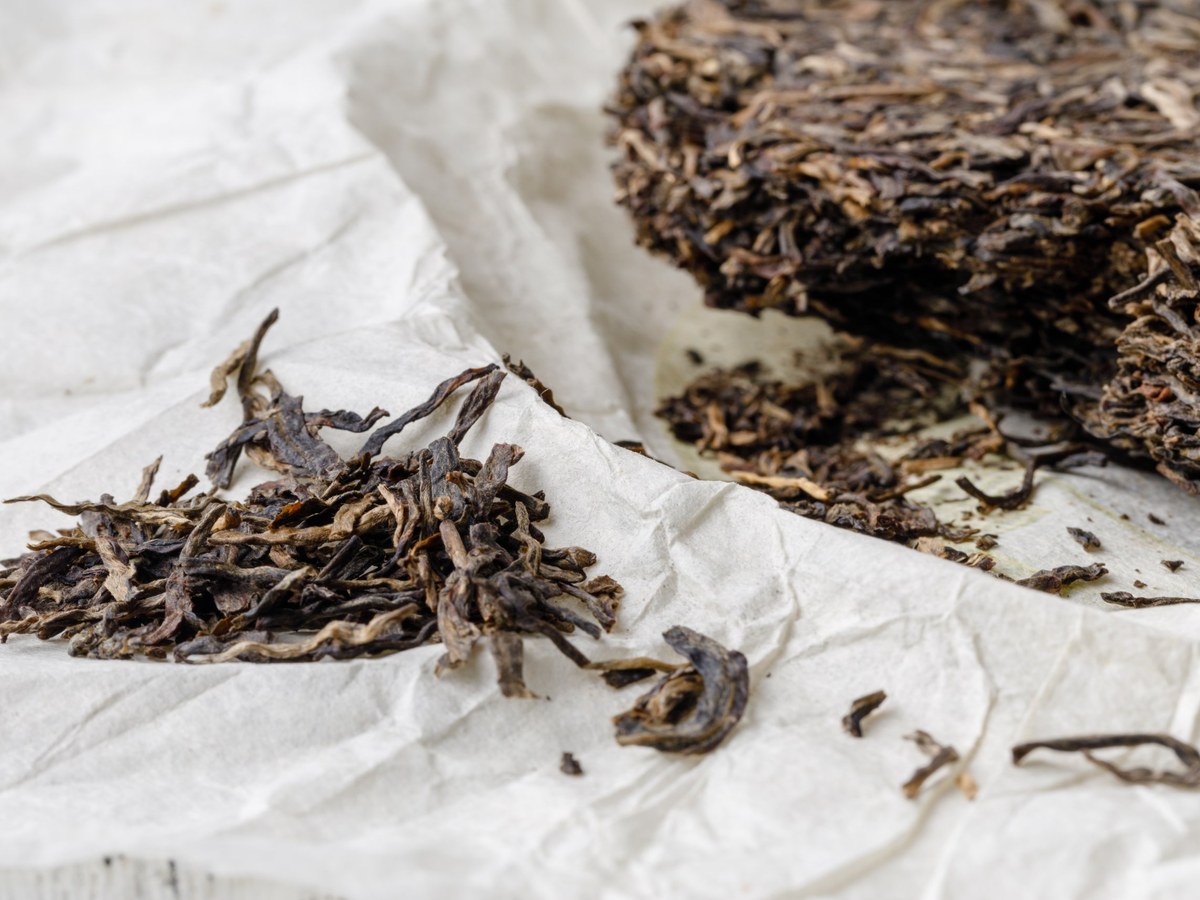
Pu-erh has long been an everyday tea for people in Yunnan, Sichuan and Tibet. It was pressed into cakes, bricks and tuo for easier transport, and later spread to Guangdong, where it became a staple of Cantonese teahouses (Global Views). Many aged teas were kept by Hong Kong tea merchants, restaurants and collectors, leaving the stock that later fueled the collecting boom (Business Today, 2010).
The 1970s: Ripe Pu-erh and Standardized Recipes
In 1973, Kunming Tea Factory developed the wodui (wet-pile) fermentation process for ripe Pu-erh, a turning point for the industry (Sohu). Around 1975, recipe codes such as 7542, 7532 and 7572 were established and standardized production began (Global Tea Hut). The Qizi Bing Cha and four-digit codes familiar to Taiwanese collectors today took shape in this period.
The 1990s: Taiwanese Collectors Defined the Value of Aged Tea
By the mid-1990s, Pu-erh had become a sought-after commodity across East and Southeast Asia, and the question of what counts as genuine Pu-erh was debated in mainland China, Taiwan and Hong Kong (Lawdata). Taiwan played a key role:
- Scholarship: Teng Shih-hai, a professor at National Taiwan Normal University, published Pu-erh Tea in 1995, calling it a "drinkable antique" and sparking a craze for antique Pu-erh across the region (Business Today, 2015).
- Collecting: Taiwanese tea lovers traveled to Hong Kong to buy aged tea. At Luk Yu Tea House, an antique cake cost about HK$1,000 in 1990 and around HK$25,000 by 2006 (Business Today, 2011).
- Market: Red Mark Pu-erh reached HK$10,000 per cake in 1997, by which time a Hong Kong dealer judged the high-end Taiwan market close to saturation (Business Today, 2010).
From then on, the value of aged Pu-erh was judged not only by taste but by verifiable collecting criteria: era, factory, wrapper and storage.
After 2000: Mainland China Built an Industry
In the 2000s, mainland entrepreneurs began buying aged tea in large quantities. Teng Shih-hai noted that aged teas once held in Hong Kong had largely moved into mainland collections. Prices surged from 2003, and the 1970s 7542, the most widely traded aged tea in Taiwan, rose sixteenfold in seven years (Business Today, 2010).
The boom also created a bubble. In the first four months of 2007 average prices rose three- to fourfold, then fell 20–50% within a month; Guangdong was then the largest Pu-erh market in China (CCTV report, reposted). The crash dealt the industry a heavy blow (China News), and the market later turned toward old-tree and single-mountain teas (China News).
Standards Set in Mainland China
In 2008, China issued the national standard Product of Geographical Indication: Pu-erh Tea (GB/T 22111-2008), which describes Pu-erh as "suitable for long-term storage" without a fixed shelf life. The revised general standard for prepackaged food labeling (GB 7718-2025), due to take effect on 16 March 2027, will require an expiry date, so Pu-erh labeling may need to change (The Beijing News).
Today: Taiwan Remains a Center for Top Aged Tea
Auctions continue to confirm the value of aged Pu-erh: in 2019, a seven-cake tong of century-old Fu Yuan Chang sold in Hong Kong for about NT$100 million (Global Views). Industry insiders also hold that most top-tier aged teas are in Taiwan (Business Today, 2011).
In short, Taiwan gave Pu-erh its culture and collectible value, while mainland China gave it scale, capital and standards. Knowing this history helps today's tea lovers read the era, recipe code and storage behind every aged cake.
Pu-erh Timeline
| Year | Event |
|---|---|
| 2027 (expected) | GB 7718-2025 takes effect; prepackaged foods must show an expiry date |
| 2019 | A tong of Fu Yuan Chang sells for about NT$100 million in Hong Kong |
| 2008 | National standard GB/T 22111-2008 for Pu-erh issued |
| 2007 | Pu-erh bubble bursts; prices fall 20–50% within a month |
| 2003 | Mainland capital enters; prices begin to surge |
| 1995 | Teng Shih-hai publishes Pu-erh Tea, fueling the antique Pu-erh boom |
| 1975 | Qizi Bing Cha recipe codes established; standardized production begins |
| 1973 | Kunming Tea Factory develops wodui ripe Pu-erh |